Certification platforms were built by turning paper processes into digital ones, but they have not kept up with how fast certification programs have evolved. Today, reviewers struggle with slow workflows, applicants find the process confusing, and teams cannot easily adapt standards or see what is happening in real time. What once worked is now starting to show its limits.

Shekhar Chikara
6 Mins
•
April 17, 2026
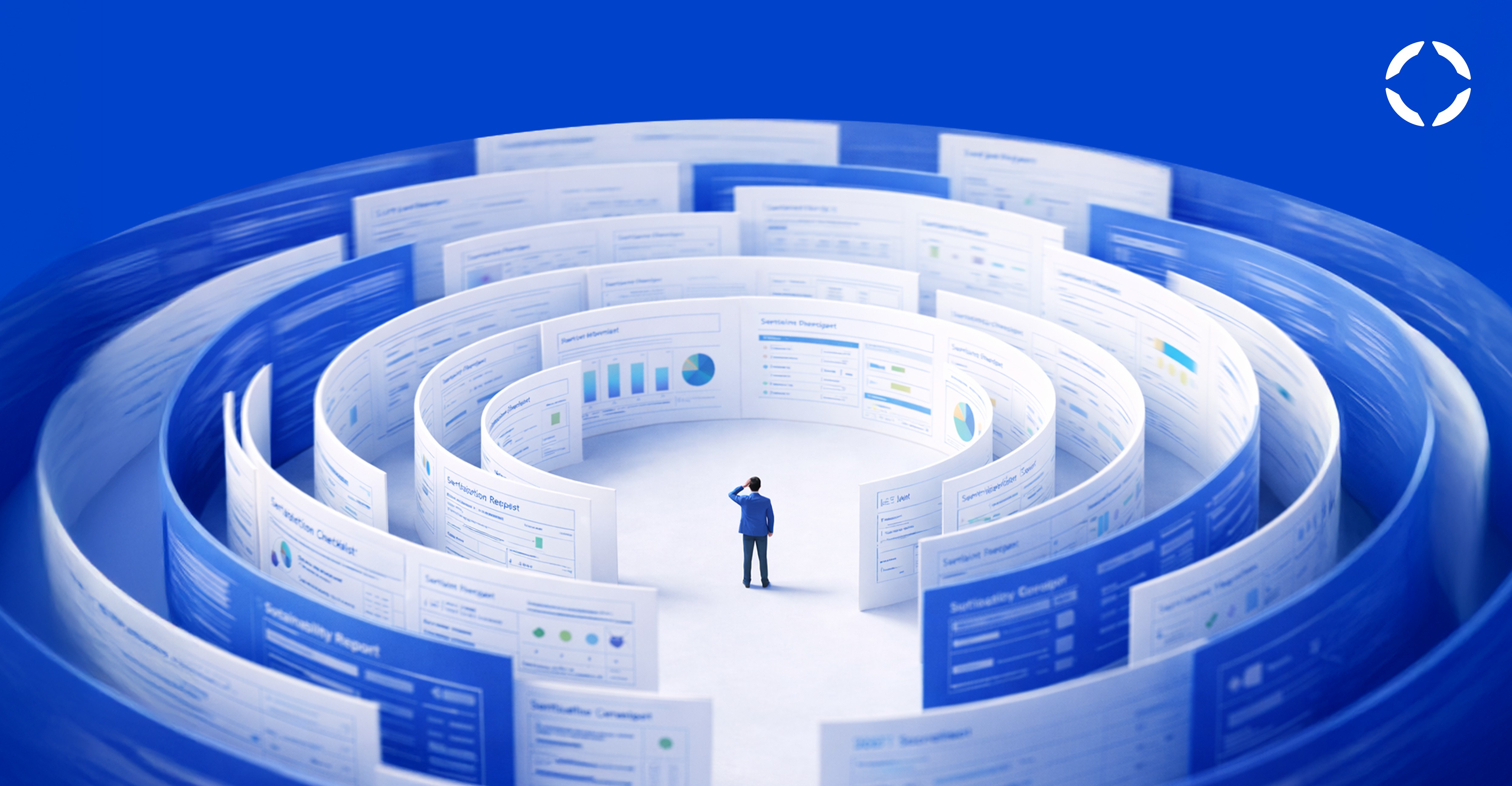
This might make some people uneasy: the platform you use for certification management, whether it's for green buildings, health, product safety, or sustainability standards, may be holding you back. It slows down reviewers, frustrates applicants, and hurts your program's credibility.
I say this because I’ve spent the last decade building these platforms. At Syscore, we’ve partnered with major sustainability certification programs, handled thousands of project applications, and managed complex reviews around the world. We’ve seen up close what works and what doesn’t.
The certification platforms we rely on today have enabled incredible growth across sustainability, health, and product standards. But as these programs have evolved, many platforms are now being asked to do more than they were originally designed to handle.
Where it started: digitizing paper
As certification programs moved from paper to digital, the priority was speed and access. Existing processes were translated into web-based systems so teams could move faster and scale globally. Organizations that had been running their programs through email chains, PDF forms, paper binders, and spreadsheets realized they needed to move online. And so they did what most organizations do, they translated their existing paper process into a web application.
That shift was necessary. It created the foundation for global adoption and consistency across programs.
The form that used to be a PDF? Now it's a web form.
The review that used to happen over email? Now it happens in a comment thread.
The checklist that used to be a Word document? Now it's a database table with checkboxes.
Yes, it was faster than paper, searchable, centralized. But here's the problem: a digitized paper process is still a paper process. The fundamental assumptions behind these platforms: linear workflows, static forms, one-size-fits-all review processes, were inherited from the paper era.
Meanwhile, the certification programs themselves have evolved dramatically. Standards have become more complex; scoring systems have grown more nuanced; the number of project types, geographies, and compliance pathways has exploded; user expectations, shaped by every other digital experience in their lives, have skyrocketed. What worked then is now being stretched.
Five patterns your certification platform has hit its ceiling
After a decade of living inside these systems - debugging them at 2 AM, redesigning them under deadline, and listening to the feedback of the people who use them every day, there are a few patterns that tend to show up when platforms reach their limits:
1. Your reviewers are spending more time navigating the tool than reviewing the work.
If a reviewer needs 15 clicks to get to the document they need to evaluate, something has gone wrong. When they can't see the applicant's previous submissions alongside the current one, when they have to open four tabs to cross-reference requirements, when the system tells them a document was uploaded but not whether it actually addresses the requirement, the tool isn't serving them.
The best reviewers I've worked with have told me the same thing: "I care about the work itself. The platform should support that, not get in the way."
2. Applicants treat the platform as an obstacle to overcome, not a guide to follow.
Here's a test. Go talk to five people who have recently completed a certification through your platform and ask them to describe the experience. If you hear words like confusing, redundant, unclear - you have a platform problem, not a user problem.
A well-designed certification platform should feel like a knowledgeable guide walking you through the process. It should tell you what's needed, why it's needed, and whether what you've provided is sufficient, before you submit, not months later in a review comment. The technology to do this exists but most platforms are not yet using it.
3. Every standard update requires a minor engineering project.
This is the one that keeps executives up at night. If your program team wants to add a new credit, modify a scoring threshold, or introduce an alternative compliance path, and the answer from the tech team is "that'll take six to eight weeks," the platform may start to slow down how quickly your program can evolve.
Standards are living documents. They evolve as science advances, as industries change, and as new building types emerge. The platform that manages them must be equally adaptive. If it takes a software release to change a prerequisite, you've built a system that treats standards as static when they’re not.
4. You can't answer basic questions about your own program without pulling a report.
How many projects are currently in review? What's the average time from submission to certification? Which requirements cause the most documentation resubmissions? Which reviewers are overloaded? Which geographic regions are growing fastest?
If answering any of these questions requires a data export and a spreadsheet, it becomes difficult to see what is really happening across the program in real time.
5. The platform works fine in your home market but not in other regions.
Sustainability is a global movement. The WELL Building Standard operates in over 100 countries. LEED has certified projects in more than 180. BREEAM, EDGE, Green Star, these are global programs with local nuances. Yet, most certification platforms were built for a single market and then "internationalized" later.
The result is a system that technically works globally but doesn't actually serve global users. Dates are in a different format, numbers don’t convert, or documentation requirements don't account for local standards. The UI assumes a level of English fluency that excludes a huge portion of the user base. Time zone handling also causes deadline confusion. And the pricing model doesn't reflect local market realities. Global reach demands global-native architecture.
Stay tuned for next week where I share what I think the next generation of certification platforms needs to get right.
Shekhar is the founder and Chief Architect of Syscore Solutions, where he has led technology development for major sustainability certification platforms including WELL Online for the International WELL Building Institute. Syscore specializes in building purpose-driven technology for organizations advancing sustainability and human well-being.
Have thoughts on the future of certification platforms?
Connect with Shekhar or reach out at sys-core.com/contact.